Français
For decades, egg white seemed irreplaceable in baking, until chickpea cooking liquid proved otherwise. Discovered almost by chance by home cooks about ten years ago, Aquafaba has since caught the attention of food scientists, professional pastry chefs, and allergy-conscious home bakers alike. Here’s what it really is, why it works, and how this product is gradually finding its place in kitchens and professional labs.
What is Aquafaba?
Aquafaba, literally “bean water,” is simply the viscous liquid left over after cooking chickpeas, whether from a homemade preparation or the drained liquid from a can. The name, formed from the Latin words for “water” and “bean,” reflects its humble origin: a byproduct once poured down the sink, now recognized as a culinary ingredient in its own right. Made up mostly of water, it also contains a modest but functional share of carbohydrates, soluble fiber, and low-molecular-weight proteins released by the chickpeas during cooking. It’s precisely this composition that gives it its surprising versatility.
The science behind the foam
If Aquafaba behaves like egg white, there’s nothing magical about it, it’s chemistry! Its dissolved proteins and carbohydrates are structurally able to trap air, allowing Aquafaba to whip into a stable foam, just like egg white. These same components also give it emulsifying properties (the ability to bind water and fat evenly) and a slight gelling power, useful for structuring certain preparations. In practical terms, this means a single plant-based liquid can perform three technical functions long reserved for eggs: aeration, emulsification, and binding. A rare combination for a single ingredient!
Comparison with eggs and other substitutes
Compared to industrial egg substitutes or purified plant proteins, Aquafaba has a major advantage: it’s a whole, minimally processed byproduct rather than a manufactured additive. It contains none of the allergens associated with egg, milk, or soy. This makes it a practical option for establishments serving customers with specific dietary needs, without requiring a dedicated product range. It’s also naturally cholesterol-free and low in fat, unlike egg white or yolk.
Homemade Aquafaba, on the other hand, can retain a slight chickpea flavor depending on the cooking method — a detail that filtration and standardization in professional versions can now correct, guaranteeing a neutral result from batch to batch. Its foam, while stable, behaves slightly differently during baking compared to egg white. But this last point is easy for pastry chefs to anticipate, particularly in meringue-based preparations, where baking time and oven temperature may require slight adjustment.
Nutritional and health profile
Beyond its allergen-free formulation, Aquafaba’s nutritional profile is worth highlighting. Naturally low in calories and fat, with no cholesterol, it also provides a small amount of plant protein and fiber, modest compared to legumes themselves, but not negligible for a byproduct otherwise destined for the sink. For bakeries developing a vegan or allergy-friendly offering, Aquafaba also solves a sourcing problem: unlike some plant-based egg alternatives that require dedicated sourcing, it can be made from ingredients already found in many kitchens, or purchased directly in stabilized liquid form for a reliable, safe result at professional production scale.
From macarons to mayonnaise: countless delicious uses
Aquafaba can find its way into all your sweet and savory preparations:
- Meringues, macarons, vegan marshmallows: stunning results, with a crisp yet melt-in-the-mouth texture.
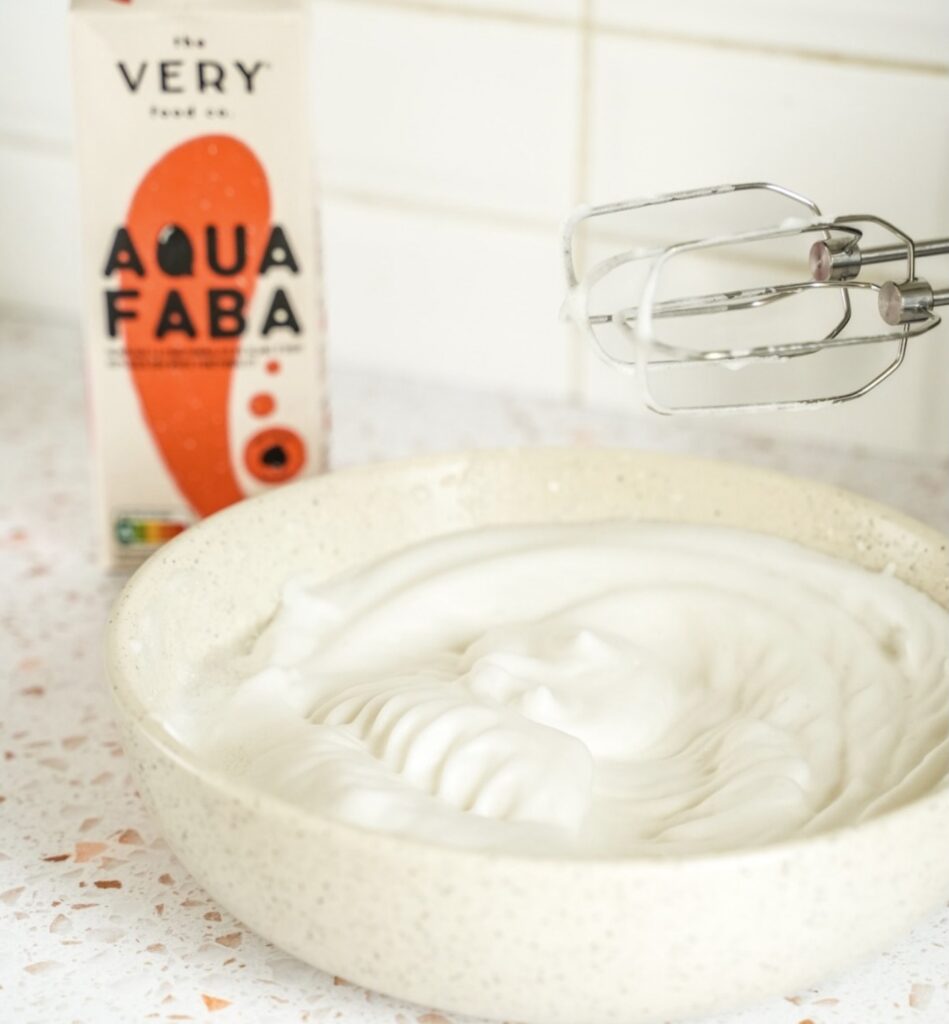
- Mousses, whipped cream, creams: light and creamy, with no added fat.
- Cakes and cookies: soft and airy, like a chocolate cake or financiers.
- Mayonnaise, aioli, sauces: a healthy alternative to classic emulsions.
- Ice cream and sorbets: for a creamy texture with no dairy.
- Leavened or laminated doughs: a small amount can serve as an egg wash or binder.
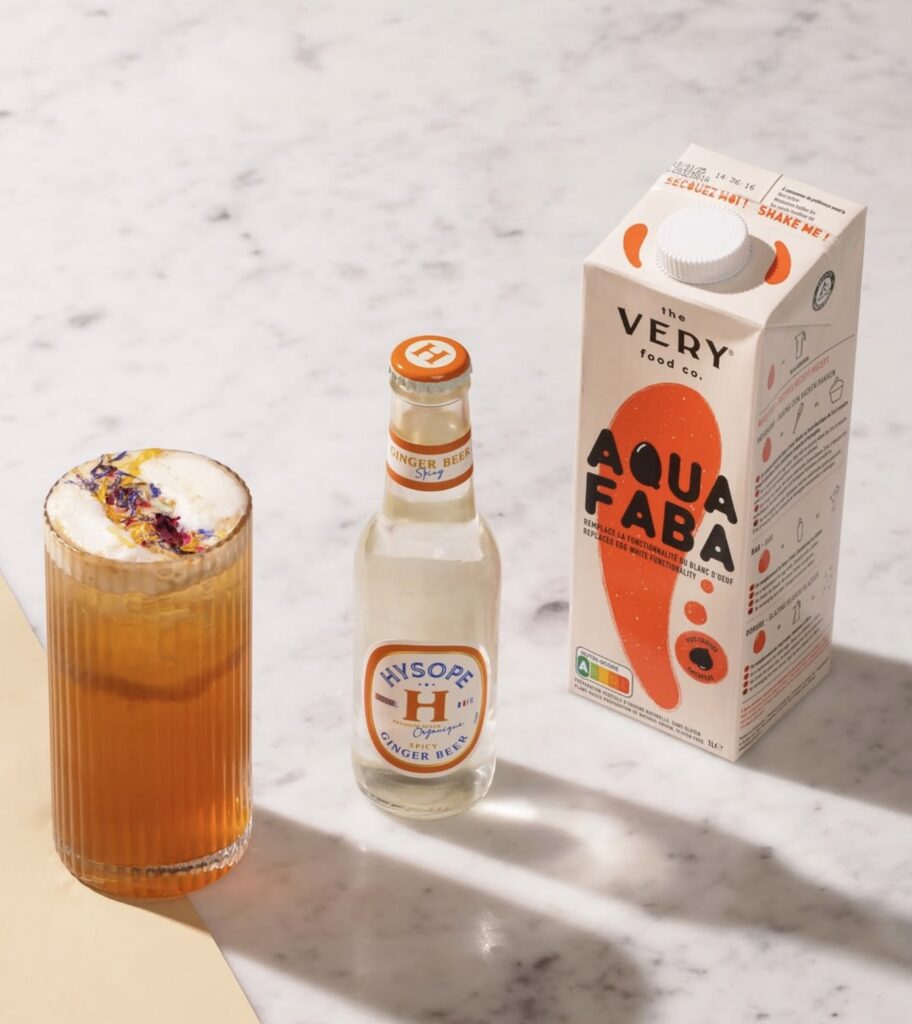
- Frothy cocktails (whisky sour, pisco sour)
For professional kitchens, and even for home cooks, the appeal is clear: one single ingredient, several technical functions, and one less allergen to manage on a product menu.
A byproduct that deserves a second look
Once thrown away without a second thought, Aquafaba is now earning its place on professional worktops, not because it’s trendy, but because it works!
For bakeries looking to develop a plant-based offering without compromising on technique, this is a rare case where sustainability, allergen-free formulation, and genuine culinary performance come together. One liter is enough to replace about thirty egg whites, plenty to seriously rethink certain production lines.
Where to find quality Aquafaba?
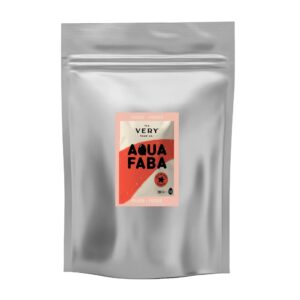
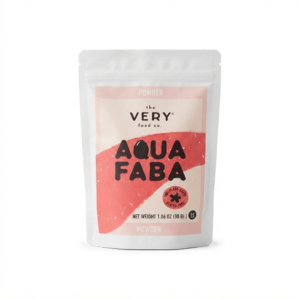
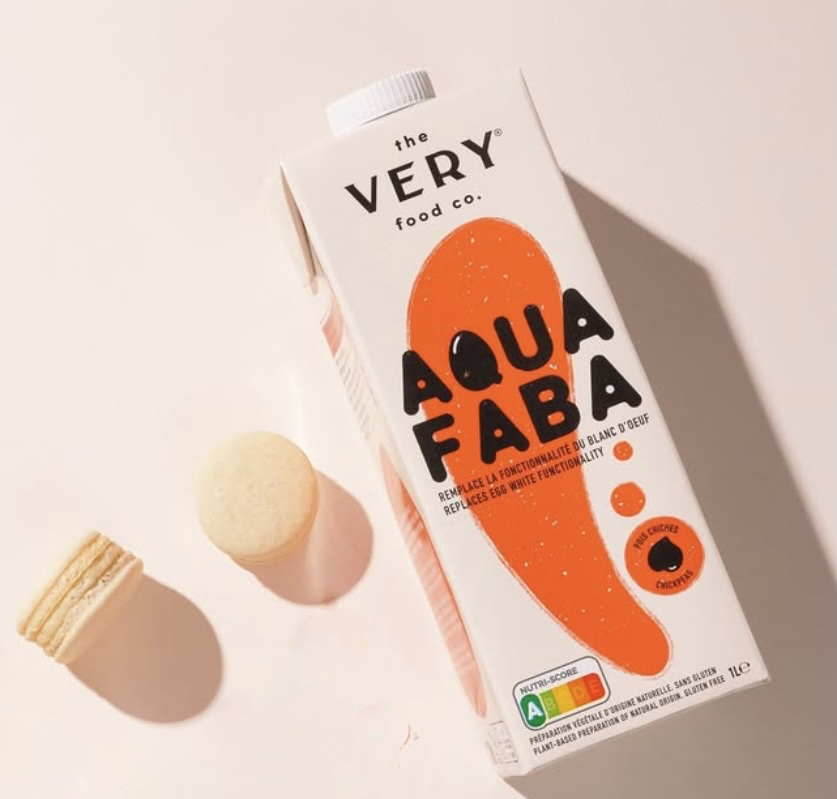
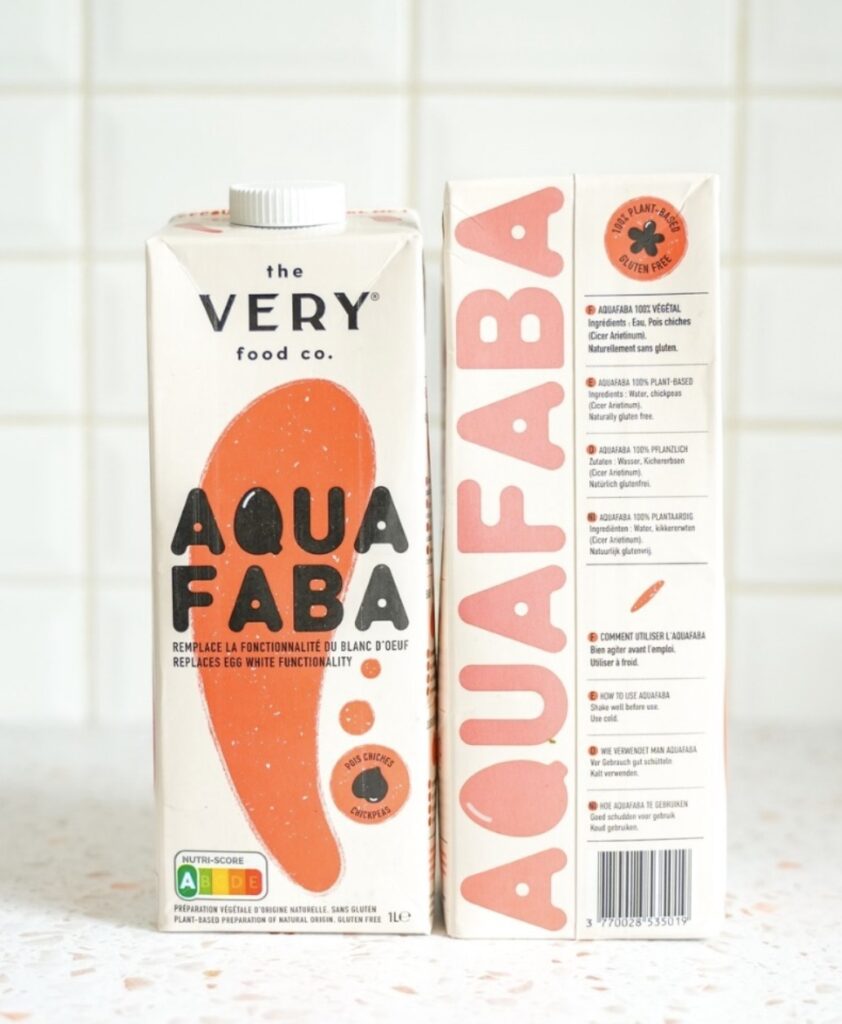
BDW offers an Aquafaba with no hidden additives, made from chickpeas grown in Europe. Available in liquid form, stable for several months at room temperature without refrigeration, it fits easily into professional stock management. Convenient and ready to use, it guarantees successful recipes every time.
Equivalents and anti-waste tips
- Golden rule: 30 g (or 3 tablespoons) of Aquafaba replaces 1 egg white. 1L of Very Aquafaba replaces 33 egg whites.
- Zero odor: Very Aquafaba has no chickpea taste, thanks to careful filtering and deodorizing.
- Storage: Very Aquafaba keeps at room temperature. Once opened, it keeps for 3 to 4 days in the refrigerator in a sealed container, or several months in the freezer (in an ice cube tray, for example).
To order your Aquafaba, click here
(Photo credit: Very Aquafaba official website)